2026-11-10 · David Torres
How to Spot Hidden Water Damage After San Bernardino Winter Storms
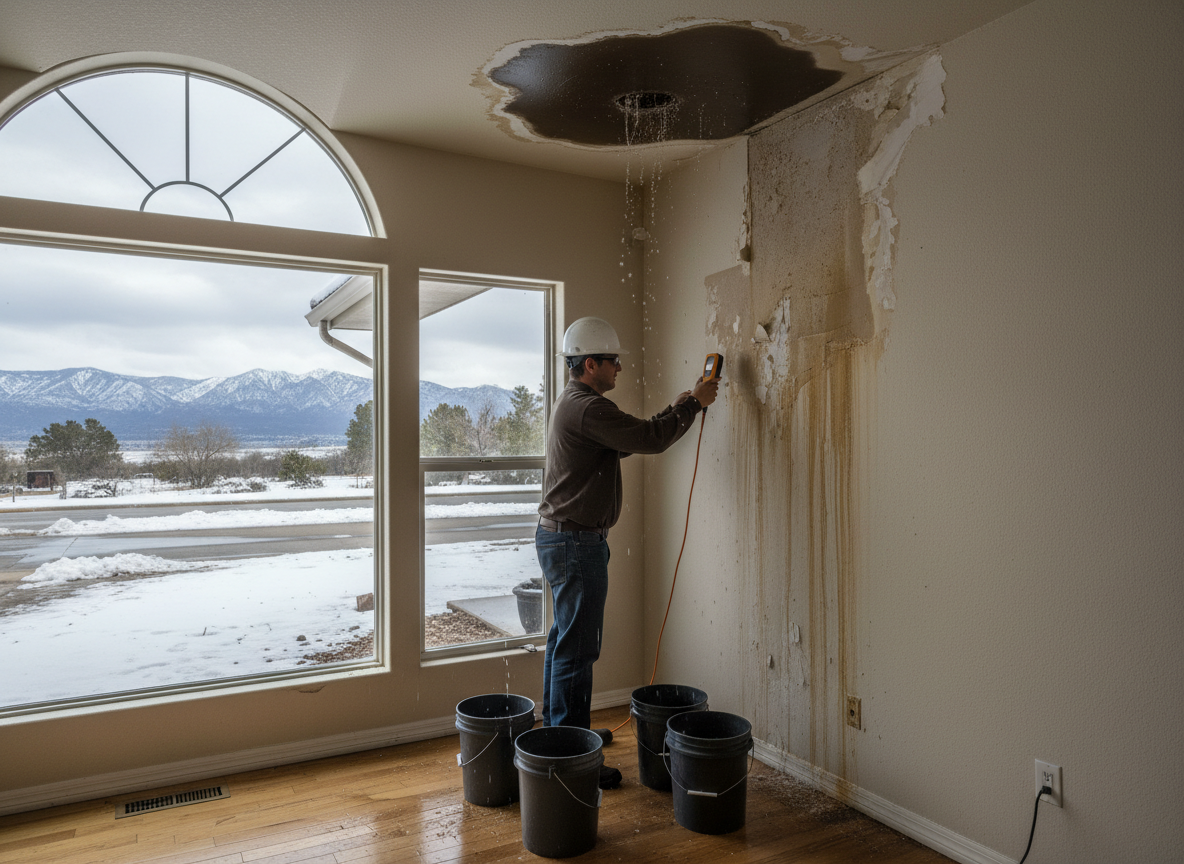
After San Bernardino winter storms, start inspections in attics and upper ceilings for water stains or sagging drywall, especially in pre-1980 homes common in Muscoy and Del Rosa where rain can penetrate aging composition roofs during the brief but intense wet season.
Inspecting Attics and Ceilings
Winter rains in San Bernardino County hit hardest on older roofs in Verdemont and Arrowhead neighborhoods. Look for dark water rings on ceiling joists or insulation that feels damp to the touch even days after the storm passes. In homes near California State University San Bernardino, check around recessed lights and attic vents where moisture often pools unseen. Discolored drywall that crumbles when pressed signals deeper saturation in the structure. Homeowners in these areas should also note any musty odors rising from insulation, as the hot desert climate can trap residual moisture and promote mold within 48 hours. If stains appear along rooflines facing prevailing winds, trace them to possible flashing failures common on 1960s-era builds.
Checking Walls and Flooring
Water from storms frequently migrates behind baseboards and into subfloors in Highland and Del Rosa homes with slab foundations. Press along drywall seams near windows for softness or bubbling paint, which indicates trapped moisture from wind-driven rain. In Downtown San Bernardino properties with hardwood floors, watch for cupping or gaps that widen after heavy downpours. Carpet in lower levels of Muscoy houses may feel cool and spongy underfoot even if surface water has evaporated. The county's clay-heavy soils can direct runoff toward foundations during winter events, making exterior grading checks essential alongside interior scans. Warped trim or doors that stick after storms often point to hidden saturation in framing members.
Basement and Crawl Space Signs
Though basements are less common, properties near Glen Helen Regional Park sometimes have partial lower levels where storm runoff collects. Examine crawl space vapor barriers for standing water or white efflorescence on concrete, signs that moisture has wicked up from saturated soil. In Redlands and Colton border areas, check sump pits for debris that blocks drainage after winter flows. Mold growth on joists or insulation appears as black or green patches within a week of storms. Residents should monitor for increased humidity readings above 60 percent in these spaces, as the region's temperature swings accelerate condensation on cooler surfaces.
When to Call Local Experts
Persistent signs like recurring stains or odors after San Bernardino winter storms warrant professional assessment to prevent structural issues. Water Damage Restoration teams familiar with San Bernardino County conditions can map moisture with meters in hard-to-reach spots. Review the Step-by-Step Guide to Drying Out a Flooded Basement in San Bernardino for initial containment steps. Understanding what affects Water Damage Restoration costs in San Bernardino helps prioritize repairs in Highland homes. Early detection in neighborhoods like Arrowhead limits damage spread before summer heat returns.